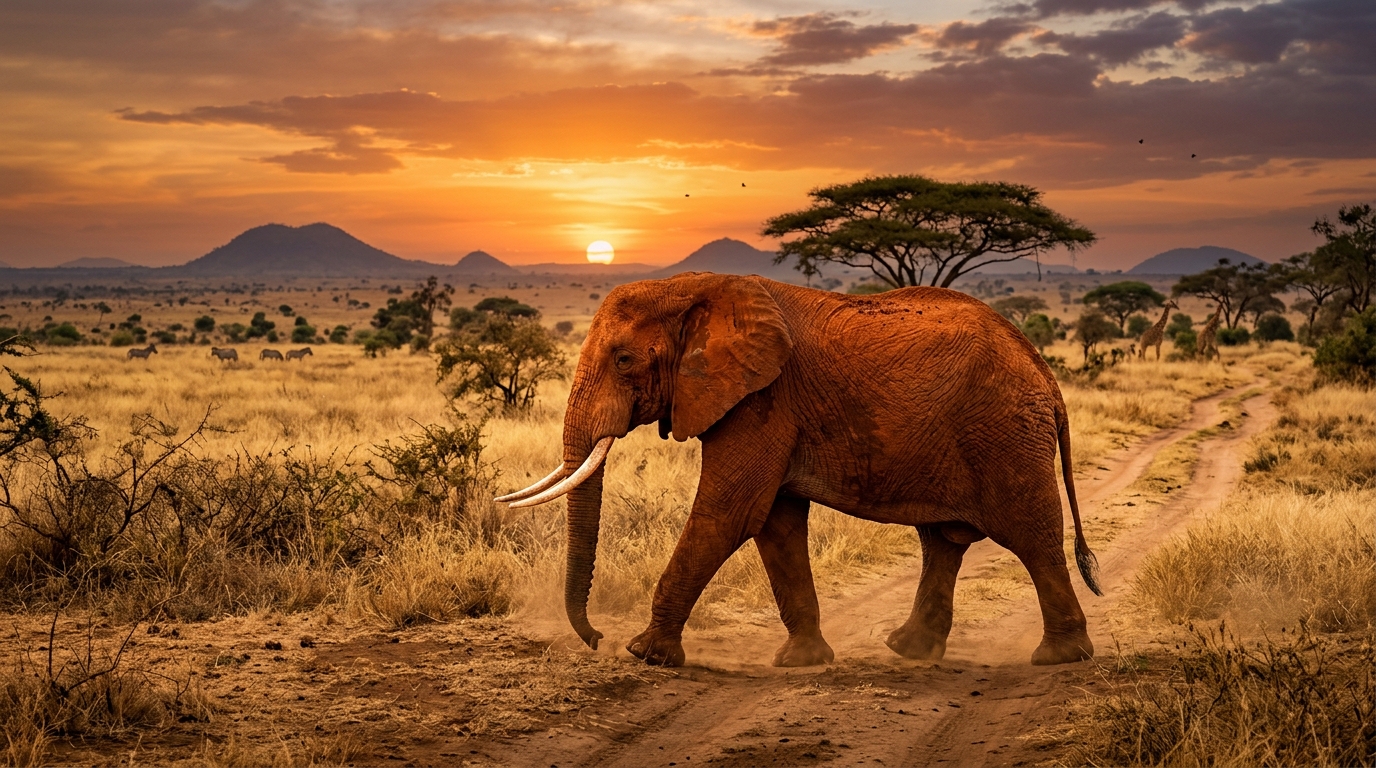
A new approach to developing Africa’s national park landscapes.
The National Park Conservancy model provides a structured pathway towards developing thriving, community-led conservation destinations around suitable national parks.
A shared proposition that brings stakeholders together.
A destination is more than a logo or a marketing campaign. It is a shared proposition: a clear sense of place, a reason to visit, a network of experiences and partners, and a vision that all key stakeholders can work towards.
Beginning with destination development helps bring people around a common opportunity. It can identify the tourism proposition, reveal gaps in the visitor experience, create a platform for local enterprise and help attract the partnerships needed for longer-term development.
Respecting Statutory Planning & Local Rights: The destination brand does not predetermine land use or override statutory planning. It provides a platform for dialogue and market development while detailed decisions remain subject to local rights, evidence, consultation and relevant approvals.
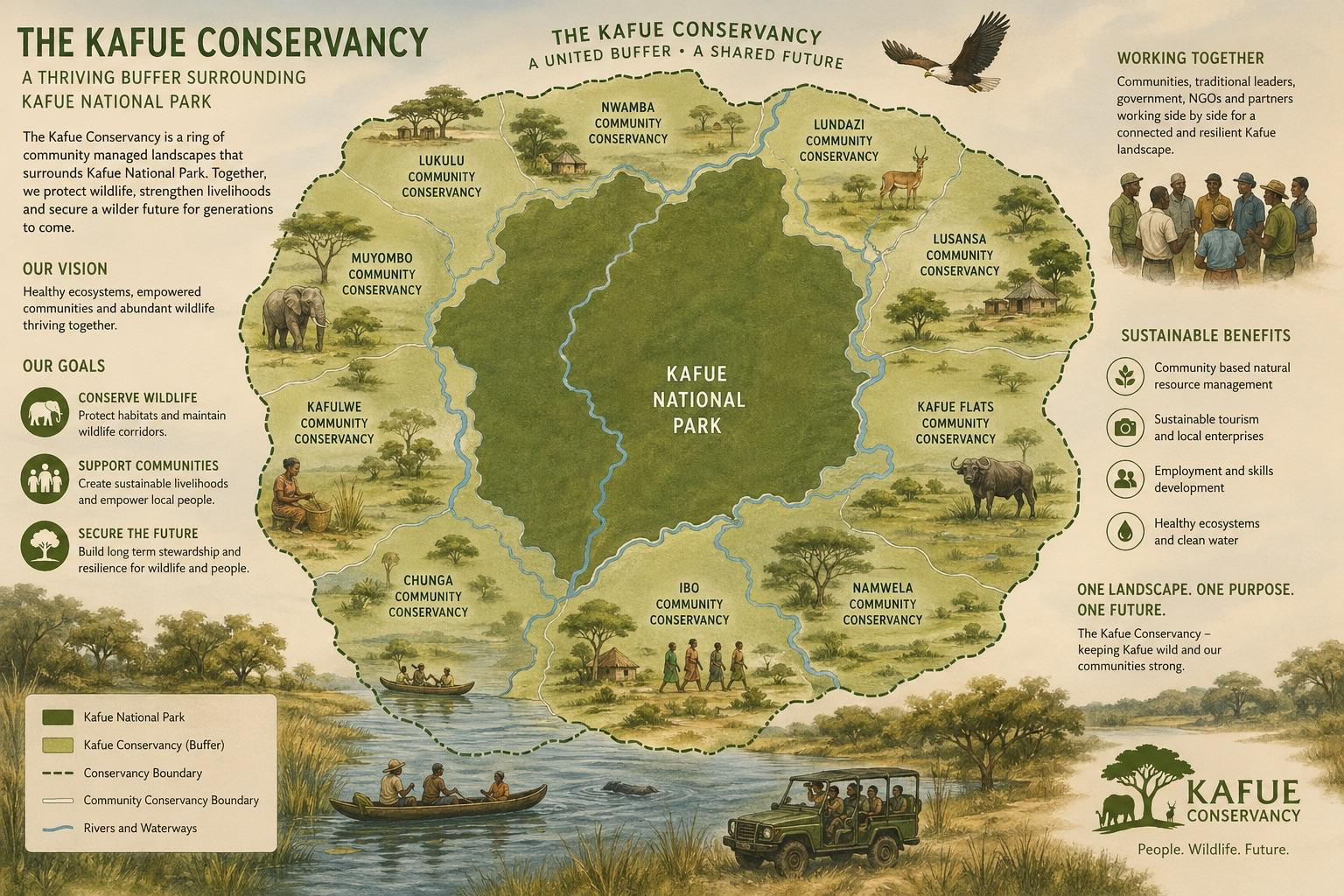
From destination brand launch to integrated landscape frameworks.
Phase 1 creates the destination proposition and the relationships needed to bring it to market. Phase 2 builds on that foundation to support coordinated landscape planning and longer-term implementation.
Destination Brand Development & Global Launch
Build the destination proposition and take it to market.
- Assess the destination opportunity, audiences, assets and market position.
- Engage key stakeholders to shape a shared vision and destination proposition.
- Develop the destination name, positioning, identity, story and brand assets.
- Identify and shape tourism experiences, itineraries and local enterprise opportunities.
- Develop the website, digital presence, content and market-facing materials.
- Build relationships with tourism operators, travel partners, media and other relevant organisations.
- Launch the destination and prepare the next stage of development.
Integrated Landscape Planning & Sustainable Development
Develop a coordinated, evidence-informed framework for the wider landscape.
- Establish a baseline of relevant land, ecological, social, economic and tourism information.
- Work with rights-holders, communities, authorities and stakeholders to understand priorities and constraints.
- Identify compatible land uses, conservation priorities and opportunities for nature-positive enterprise.
- Develop a spatially informed framework for sustainable land use and landscape management.
- Identify responsible investment, partnership and implementation opportunities.
- Support the sequencing of conservation, restoration and development according to readiness and local priorities.
How the phases work together
Phase 1 creates the destination proposition and the relationships needed to bring it to market. Phase 2 builds on that foundation to support coordinated landscape planning and longer-term implementation. The phases are not a substitute for statutory processes, community consent, environmental assessment or the legal responsibilities of relevant authorities.